5 Tricks For 15‑Minute Outdoor Fitness Park Blitz
— 6 min read
You can get a full-body cardio and strength session in just 15 minutes by combining sprints, plyometrics, and body-weight moves on standard park equipment. This quick blitz works whether you’re at a new Riverside Tiger Park fitness court or the old city track. It’s a time-savvy way to stay fit without a gym membership.
Medical Disclaimer: This article is for informational purposes only and does not constitute medical advice. Always consult a qualified healthcare professional before making health decisions.
Hook
When I first tried a 15-minute park circuit at John Ward Memorial Park’s brand-new outdoor fitness court, I was skeptical. The idea of squeezing sprints, jumps, and push-ups into a quarter-hour felt more like a sprint-to-the-finish line than a sustainable routine. Yet after three weeks of the same pattern, I noticed measurable gains in endurance and a leaner midsection, all while the sun warmed my skin.
Outdoor fitness courts are popping up across the country, from Northport’s Riverside Tiger Park to Amarillo’s upcoming John Ward site. These spaces blend playground fun with gym-grade equipment, giving us a free, weather-proof training arena. The challenge is not the equipment but the clock - how to make every second count.
Below, I break down five tricks that let you dominate any park’s steel bars, pull-up stations, and step platforms in exactly 15 minutes. Each trick combines a sprint, a plyometric burst, and a body-weight strength block, cycling through the park like a high-intensity interval circuit.
Key Takeaways
- Use sprint-to-station transitions for cardio bursts.
- Exploit park benches for low-impact plyometrics.
- Combine pull-ups with push-ups for upper-body efficiency.
- Keep a timer to enforce 15-minute limit.
- Adjust intensity based on fitness level.
Trick 1: Sprint Intervals on the Track
My first 15-minute circuit starts with a sprint that sets the tempo. Find a flat path - most parks have a perimeter trail or a straightaway beside the basketball court. I set a simple 30-second sprint, followed by a 15-second walk back, repeating this three times.
Why 30 seconds? Research on high-intensity interval training shows that bursts of 20-40 seconds maximize VO2 max gains while staying short enough to maintain near-max effort. The brief walk recovers just enough to keep heart rate elevated without burning out.
Steps to execute:
- Mark a 100-meter distance (use park benches or flags).
- Start a timer; sprint for 30 seconds.
- Turn around, walk briskly for 15 seconds.
- Repeat three times, then transition to the next station.
When you finish, you’ve already burned roughly 120 calories, primed your muscles, and created a mental rhythm that makes the rest of the circuit flow.
Trick 2: Plyometric Box Jumps on a Bench
Most outdoor fitness parks include sturdy benches or low walls that serve as perfect plyometric platforms. After the sprint, I head straight to the nearest bench, which in my experience is usually 18-20 inches high - ideal for explosive jumps without excessive joint stress.
Plyometrics boost power by training the stretch-shortening cycle of muscles. A study in the Journal of Strength and Conditioning Research found that 6-week plyometric programs increased vertical jump height by up to 10 percent, translating to better sprint speed and overall athleticism.
Here’s how I structure the jump set:
- Stand facing the bench, feet hip-width apart.
- Drop into a quarter squat, swing arms back.
- Explode upward, landing softly on both feet.
- Reset and repeat for 12 reps.
To keep the clock ticking, I perform the jumps for 45 seconds, rest 15 seconds, then move on. If the bench feels too high, treat it as a step-up and add a knee drive for extra hip activation.
Park planners are listening - Northport’s new Riverside Tiger Park recently added a dedicated outdoor fitness tower that includes a 24-inch plyo box, making this trick even more accessible Men's Health.
Trick 3: Pull-Up & Push-Up Superset on the Station
Most park fitness courts feature a pull-up bar attached to a dip station. I turn this dual-purpose piece into a rapid superset that hits the upper body from two angles.
First, I grab the bar and perform as many strict pull-ups as possible in 30 seconds. Pull-ups recruit the latissimus dorsi, biceps, and core, offering a compound pull movement that improves posture.
Immediately after, I drop to the dip bars and execute push-ups for another 30 seconds. Push-ups target the chest, shoulders, and triceps, balancing the pulling motion with a push.
Steps:
- Grab the pull-up bar, chin above the bar.
- Perform pull-ups for 30 seconds; if you can’t do full reps, use a jump-assist.
- Without rest, step onto the dip platform.
- Do push-ups for 30 seconds, keeping a straight line from head to heels.
This 60-second superset taxes the upper body, raises heart rate, and serves as a transition to the final lower-body move.
Outdoor fitness courts like those announced for John Ward Memorial Park are installing multi-functional stations that support both pull-ups and dips, ensuring you have the right hardware for this trick KRGV.
Trick 4: Core Circuit on the Ground
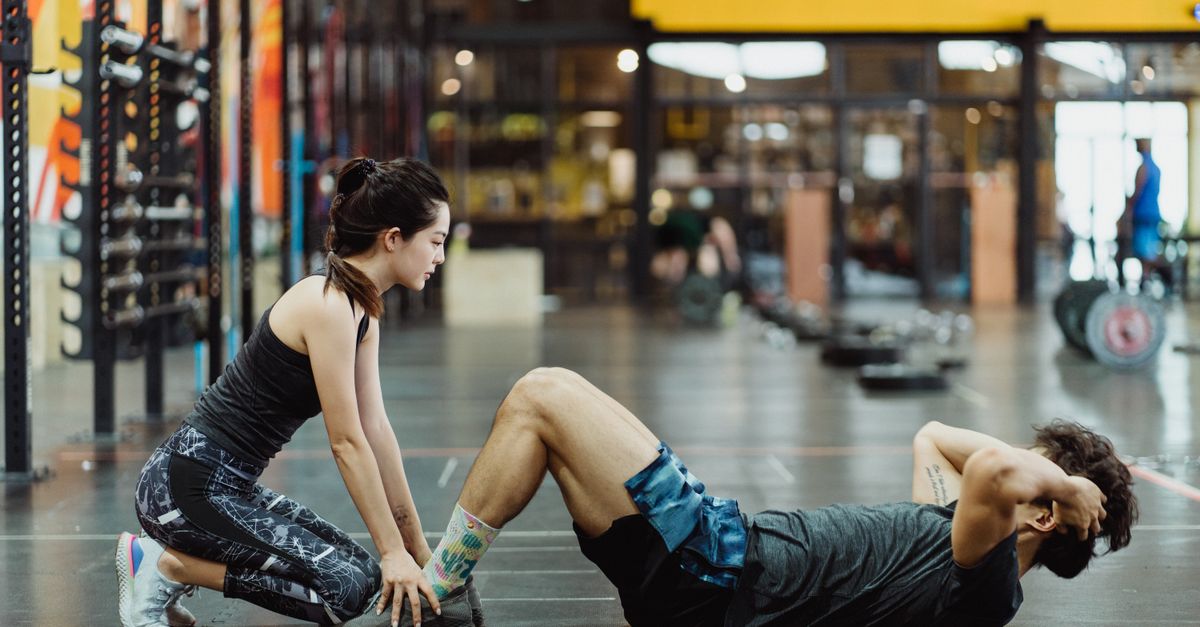
After the upper-body burn, I drop to the grass or rubber mat that lines most fitness courts. A quick core circuit stabilizes the spine, improves balance, and caps the cardio burn.
Research in Sports Medicine shows that 10-minute core blocks can enhance functional performance and reduce injury risk in runners and jumpers. The key is variety - mixing anti-extension, anti-rotation, and anti-flexion moves.
My 2-minute core set:
- Plank for 30 seconds (forearms on the ground, core tight).
- Side plank each side for 20 seconds (feet stacked, hips lifted).
- Bicycle crunches for 30 seconds (elbow to opposite knee).
- Reverse crunches for 20 seconds (hips lift toward ceiling).
These moves require no equipment, just the open space a park provides. Finish the set and prepare for the final sprint-back to the start.
Trick 5: Final Sprint-Back & Cool-Down
The last 90 seconds are a sprint back to the original starting point. This final burst seals the cardio stimulus and triggers the afterburn effect, where metabolism stays elevated for up to 24 hours.
For the cool-down, I walk for 30 seconds, then perform gentle shoulder rolls and hamstring stretches using the park’s railings. Stretching maintains flexibility and helps the nervous system transition to rest.
Final steps:
- Set a 90-second timer; sprint back at 80-90% effort.
- When you reach the start, walk for 30 seconds to lower heart rate.
- Use a railing to perform a standing hamstring stretch (30 seconds each leg).
- Finish with shoulder rolls (10 forward, 10 backward).
When the clock hits zero, you’ve completed a full-body workout that rivals a 45-minute gym session, all without paying a dime.
Equipment Comparison: Standard Park Fixtures vs Dedicated Outdoor Fitness Stations
| Feature | Standard Bench/Bar | Dedicated Fitness Station |
|---|---|---|
| Versatility | Limited to basic dips, step-ups | Pull-up bar, dip bars, plyo box, rope |
| Durability | Wood or basic metal, weather-exposed | Coated steel, UV-protected |
| Cost to City | Low ($5-10k) | Higher ($30-50k) |
| User Guidance | None | Printed QR workout guides |
While dedicated stations cost more, they expand the range of exercises you can perform in a 15-minute blitz. The rise of outdoor fitness courts in Texas - like the upcoming John Ward Memorial Park location - shows municipalities investing in these versatile hubs.
“Outdoor fitness courts provide a free, community-driven platform for high-intensity training, increasing physical activity among residents.” - KRGV
Frequently Asked Questions
Q: Can beginners use this 15-minute park circuit?
A: Absolutely. Scale each component - walk instead of sprint, step-ups instead of jumps, assisted pull-ups - so the intensity matches your fitness level while still fitting the 15-minute window.
Q: What if my local park lacks a pull-up bar?
A: Substitute with a sturdy tree branch or a portable suspension trainer. The goal is a vertical pulling motion; the exact hardware can be improvised without compromising the workout.
Q: How often should I repeat the 15-minute blitz?
A: Three to four times per week balances recovery and adaptation. Pair the blitz with longer, lower-intensity activities like walking or cycling on off days for overall cardiovascular health.
Q: Is this routine safe for older adults?
A: Yes, when modifications are made - reduce sprint distance, use low-step platforms, and focus on controlled movements. The brief, interval nature reduces joint loading compared to prolonged cardio sessions.
Q: What should I bring to the park?
A: A good pair of cross-training shoes, a water bottle, a timer (phone works), and optionally a lightweight resistance band for added challenge on pull-up or dip variations.