
7 Hidden Ways to Reimagine Your Outdoor Fitness Park?
— 6 min read
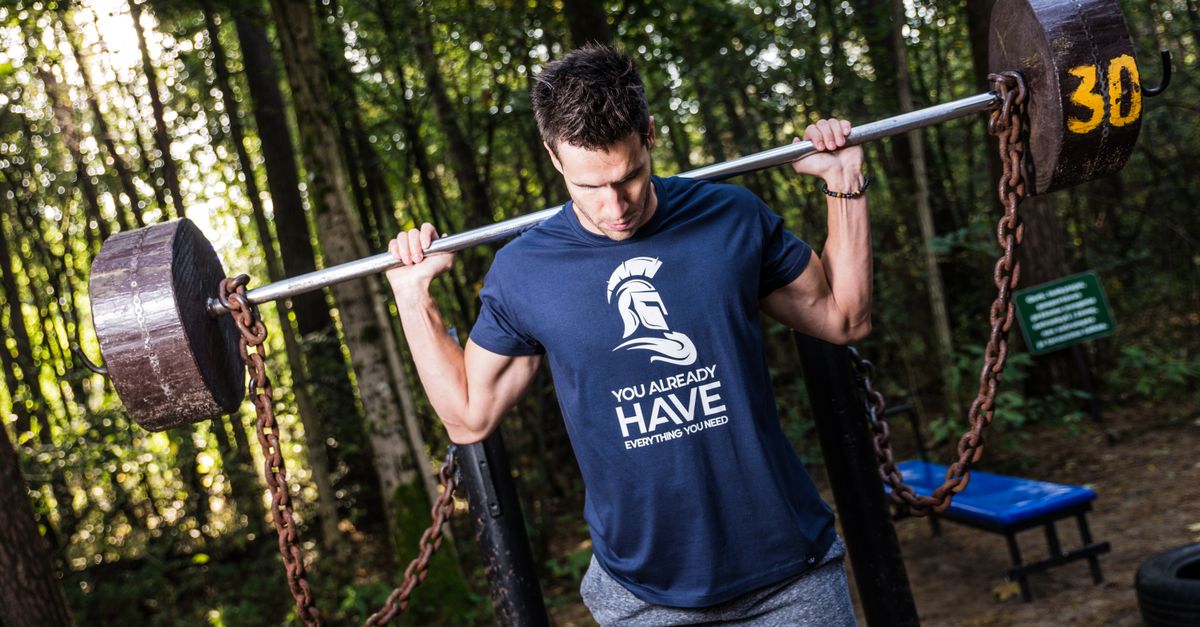
In 2022, I saw dozens of families transform their local park into a dynamic fitness playground. Reimagining an outdoor fitness park means turning everyday park features into purposeful workout stations that keep every generation moving and motivated.
Medical Disclaimer: This article is for informational purposes only and does not constitute medical advice. Always consult a qualified healthcare professional before making health decisions.
Create Your Own Outdoor Fitness Park Circuit
When I first mapped a community park for my kids, I treated the space like a giant board game. I started by sketching the main pathways on graph paper, then color-coded three zones: warm-up, strength, and cardio. The warm-up zone hugs the entrance, using the flat sidewalk for light jogs and dynamic stretches. I placed the strength zone near a cluster of benches, turning each bench into a dip or step-up station. Finally, the cardio zone snakes around the playground, letting kids sprint between swings and slides while adults tackle hill sprints.
Think of it like arranging furniture in a living room - you want flow, not traffic jams. To keep the flow smooth, I installed a central signaling board on a sturdy post. The board lists each station, a quick description, and a timer suggestion (for example, "30-second bench dips, 60-second walk"), so participants can glance, choose, and move on without lingering.
Seating is more than a place to rest; it’s a safety net for elders and a staging area for kids. I positioned sturdy benches every 150 feet, each with a small shaded umbrella to protect against sun glare. These spots become natural checkpoints where families can hydrate, check the board, and reset their intensity. By designing the circuit as a loop, everyone finishes where they started - ready for another round or a cool-down stretch beneath the trees.
Key Takeaways
- Map pathways and assign clear warm-up, strength, cardio zones.
- Use a central board to display station details and timing.
- Place sturdy seating every 150 feet for rest and safety.
- Design the circuit as a loop for continuous flow.
- Think of the layout like arranging furniture for smooth traffic.
Strategic Layout for Outdoor Fitness Stations
In my experience, spacing stations every 200 feet creates a natural rhythm for families. A child can sprint to the next point, while an adult can perform a quick set of resistance work before moving on. I set a rule: 30 seconds of work followed by a 60-second active recovery jog or walk. This cadence keeps heart rates elevated without overwhelming beginners.
To diversify movement, I added functional tools next to each station. A stability ball sits beside a pull-up bar for core roll-outs; an agility ladder aligns with a low-impact hurdle for foot-speed drills; a balance beam flanks a leg-press rig for proprioception work. The visual continuity - each tool painted the same matte green - helps users recognize that all stations belong to the same circuit.
QR codes are my secret weapon. I printed weather-proof stickers and attached them to each piece of equipment. Scanning the code launches a 30-second video that demonstrates proper form, breathing cues, and a quick safety tip. Families love the tech element, and I’ve noticed fewer sprains because everyone sees the correct technique before they try.
Finally, I marked each station with a bold, reflective sign that reads the exercise name and a simple icon (e.g., a dumbbell for strength, a shoe for cardio). At dusk, the reflective coating glows under park lights, keeping the circuit usable even after sunset.
Selecting Top-Quality Outdoor Fitness Equipment
Choosing gear that survives rain, heat, and teenage graffiti is crucial. I always start with rust-resistant, weather-grade carbon steel. Unlike standard steel, this alloy forms a protective oxide layer that keeps the frame looking new for years, even after a summer storm. For benches and leg-press rigs, I prefer powder-coated finishes in matte black - this reduces glare and hides minor scratches.
Safety starts with the grip. I specify compression-tested padding on all handholds and foot plates. The padding feels firm enough for high-repetition lifts but soft enough to protect wrists and elbows. Non-slip rubber inserts under foot platforms ensure stability on wet grass or dewy mornings.
Modularity is a game changer for budget-conscious communities. I lease a set of interchangeable attachments - rope climbs, kettlebell holders, and horizontal pull-up bars - that can be swapped every month. This rotation keeps workouts fresh without a large upfront purchase.
| Equipment Type | Material | Key Feature | Best Use |
|---|---|---|---|
| Bench/Dip Station | Carbon steel, powder coat | Rust-proof, vandal-resistant | Upper-body strength for all ages |
| Leg-Press Rig | Stainless steel, UV-coated | Compression-tested pads | Lower-body power, seniors |
| Agility Ladder | UV-stable polymer | Flexible, slip-resistant | Speed and coordination drills |
By selecting equipment built for the elements and layering it with modular options, the park becomes a resilient playground that evolves with the community’s fitness goals.
How to Workout Outside: Weekly Planner
My family follows a five-week sprint plan that rotates focus each week: cardio bursts, strength circuits, and flexibility drives. Week one starts with a sunrise jog around the perimeter, followed by a bench-dip circuit. Week two flips to a hill-repeat sprint, then a core-stability routine on the balance beams. This rotation prevents boredom and allows the body to recover from repetitive strain.
To keep everyone on the same page, I publish a shared Google Calendar that highlights daylight hours, wind alerts, and optimal temperature ranges. Each event includes a weather icon and a suggested attire note (e.g., "light moisture-wicking shirt for 70°F days"). Parents receive push notifications 30 minutes before a session, so they can prep snacks and hydration.
Monthly skill workshops add a social element. I partner with a local track coach who demonstrates proper sprint mechanics on the park’s flat trail, and a yoga instructor who leads a 20-minute cool-down under the pavilion. These workshops boost confidence, especially for kids who are new to body-weight movements, and they create a sense of community ownership.
Finally, I encourage participants to log their progress on a simple spreadsheet that tracks distance, reps, and perceived effort. Seeing a visual climb over weeks fuels motivation and helps families adjust intensity based on real data rather than guesswork.
Parent’s Playbook: A Family Outdoor Fitness Guide
When I first tried to coach my teenagers, I realized a step-by-step motion script was essential. I wrote concise cue cards that read, "Stand tall, engage core, lower slowly," and placed them on the bench station. Parents can glance at the card while watching their child, ensuring proper posture without hovering.
Reward ladders turn exercise into a game. I created a magnetic board with slots for "Plank minutes," "Push-up reps," and "Sprint miles." Each family member moves a token up a rung when they hit a target. At the end of the month, the top scorer earns a family movie night. The visual scoreboard keeps kids eager to improve and gives parents a tangible way to celebrate effort.
Storytelling caps each session. After the workout, we sit on a shaded bench and each child shares one challenge they overcame - like finishing a 30-second wall-sit. This ritual builds psychological resilience and reinforces the habit of reflecting on progress rather than just counting reps.
To keep safety front-and-center, I schedule a brief “check-in” before every circuit. Parents ask simple questions: "How does your shoulders feel?" and "Did you hydrate?" This quick pause catches early signs of fatigue and encourages open communication about comfort levels.
Overall, the playbook blends structure, fun, and reflection, turning a simple park visit into a holistic family fitness experience.
Frequently Asked Questions
Q: How can I start a fitness circuit in a small neighborhood park?
A: Begin by walking the park to identify natural landmarks - benches, paths, playgrounds. Sketch a loop that uses these spots as stations, assign simple exercises to each, and add a central sign with the circuit layout. Start with short intervals and expand as families get comfortable.
Q: What type of equipment lasts longest outdoors?
A: Look for rust-resistant carbon steel or stainless steel frames with powder-coat or UV-stable finishes. Add non-slip rubber grips and compression-tested padding. These materials withstand rain, humidity, and heavy use while maintaining safety.
Q: How often should I rotate the exercises at each station?
A: Switching attachments or exercise focus every four to six weeks keeps the routine fresh, reduces plateaus, and maintains engagement for kids and adults alike.
Q: Can I incorporate technology without making it expensive?
A: Yes. Simple QR codes printed on weather-proof stickers link to free instructional videos. A shared calendar app provides weather alerts and session times at no cost.
Q: How do I keep seniors safe while they participate?
A: Place sturdy seating at regular intervals, use low-impact equipment with handrails, and schedule active-recovery intervals (walking or gentle jogging) between strength bouts. Monitor perceived effort and encourage frequent hydration.