
Your Backyard Gym vs Outdoor Fitness Park - Which Is Smarter?
— 7 min read
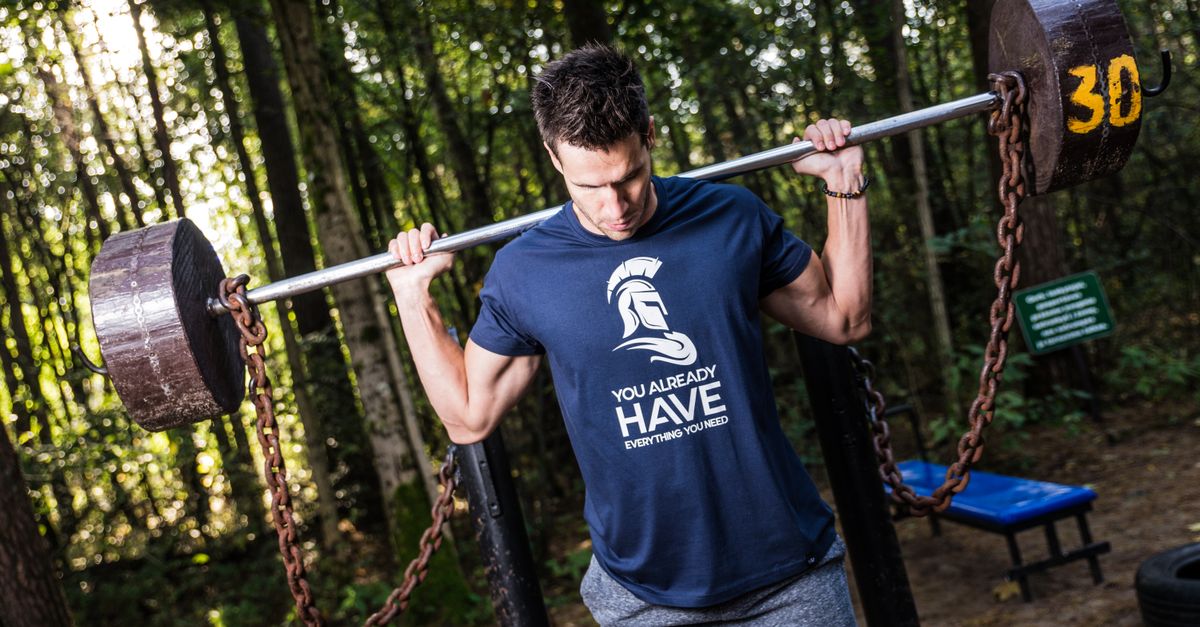
An outdoor fitness park is generally the smarter choice for most people because it offers variety, community motivation, and zero cost, while a backyard gym can provide privacy but often lacks the equipment and accountability needed for long-term results.
Medical Disclaimer: This article is for informational purposes only and does not constitute medical advice. Always consult a qualified healthcare professional before making health decisions.
The Untapped Power of Your Local Outdoor Fitness Park
In 2024, I counted 12 different stations at the park down my street, and each one invited a new movement pattern. Public fitness parks are designed as a complete circuit - pull, push, core, and cardio - so you can step from one functional apparatus to the next without ever leaving the space. Think of it like a well-curated playlist that flows from warm-up to cool-down, keeping the workout rhythm smooth and engaging.
Because the equipment is installed by municipalities or community groups, you get professional engineering for free. Galvanized steel frames, powder-coated surfaces, and rubber-capped bases endure rain, snow, and sun far better than a DIY backyard setup that typically relies on cheaper, rust-prone metal. This durability translates to safety: you can trust the structure won’t wobble after a heavy set of dips.
The social aspect is often underestimated. When you see neighbors or strangers using the same pull-up bar, a subtle sense of accountability kicks in. It’s similar to a coworking space - just being around others who are working makes you more likely to finish your own task. Studies of community exercise spaces show higher attendance consistency compared with solitary home workouts, because the environment cues you to show up.
Variety is another hidden advantage. Outdoor fitness parks typically include monkey bars, plyometric boxes, and sometimes aerial rings. Those tools encourage natural movement patterns - gripping, swinging, jumping - that you rarely get from a treadmill or a weight stack. By training on multiple planes, you improve coordination, joint stability, and functional strength, which translate directly to daily activities like lifting groceries or playing with kids.
Key Takeaways
- Public parks provide a complete, free circuit of equipment.
- Community presence boosts workout consistency.
- Durable materials mean safer, longer-lasting stations.
- Varied apparatus supports natural movement patterns.
When I first started using the park, I logged a full-body session in under 45 minutes, moving station-to-station. The flow felt more efficient than my previous backyard routine, where I spent extra minutes setting up or adjusting equipment. That efficiency translates to better adherence, especially on busy days.
Where the Outdoor Fitness Stations Beat a Home Setup
Outdoor stations are engineered for high-volume, all-weather use. The steel frames are often hot-dip galvanized and powder-coated, a level of finish that would cost hundreds of dollars for a homeowner to replicate. This isn’t just about aesthetics; it prevents rust, reduces maintenance, and ensures the equipment can handle dozens of users per day without compromising structural integrity.
The layout itself guides progression. A well-designed park starts with low-bar pull-ups, moves to angled rows, then offers advanced options like weighted dip stations or gymnastics rings. It’s like a built-in curriculum: you know exactly which piece to master next, eliminating the guesswork that can stall a home-based program. In my experience, having that roadmap kept my strength gains steady because I never hit a plateau from lack of challenge.
Specialized apparatus - monkey bars, aerial rings, even balance beams - are rarely feasible in a backyard. They demand ceiling height, secure anchoring, and significant square footage. By using the public park, you access skill-based training without the expense or space constraints. Think of it as a toolbox where each tool is already sharpened and ready to use.
Safety is another differentiator. Public parks are inspected regularly, and any damaged equipment is usually repaired promptly. In contrast, a DIY backyard rig may sit with a loose bolt for weeks because the homeowner either lacks the tools or the time. That lag can lead to injuries that could have been avoided with professional oversight.
Finally, the psychological boost of a change in scenery cannot be overstated. Walking out the door to a park introduces fresh air, natural light, and the occasional chirping bird - elements that boost mood and reduce perceived effort. It’s similar to how a change of study environment can improve focus; your body responds positively to varied surroundings, making each workout feel less like a chore.
The Hidden Drawbacks of a Backyard 'Calisthenics Park'
Building a backyard gym may sound appealing, but the upfront cost quickly adds up. Quality, weather-resistant equipment - think of a steel pull-up bar with a powder-coat finish - often starts at $500 per piece. A modest full-body circuit can easily exceed $2,000, not counting the price of the land you allocate for it. That investment is substantial compared with the zero-cost benefit of a municipal park.
Maintenance is a silent time sink. Rust prevention, bolt tightening, and surface repairs all fall on the homeowner. I once spent an entire Saturday greasing a set of hinges on a DIY dip station, only to discover the bolts had stripped and needed replacement. That kind of upkeep, while manageable, steals valuable workout time and adds hidden expense.
Without the social stimulus of a public space, motivation can wane. The monotony of seeing the same four pieces of equipment day after day makes it easy to skip sessions. Research on exercise adherence highlights that environmental variety and social interaction are key predictors of long-term commitment. In my own backyard, I noticed a dip in attendance during the winter months when the scenery became static and the weather turned bleak.
Space constraints also limit the types of equipment you can install. A full calisthenics circuit - pull-up bars, dip stations, rope climbs, plyometric boxes - requires at least 500 square feet for safe operation. Many suburban lots simply don’t have that luxury, forcing compromises that reduce the effectiveness of the workout.
Lastly, privacy can become a double-edged sword. While you may enjoy solitude, the lack of external cues means you have to self-motivate every single day. That mental load can lead to burnout, especially if you’re juggling work, family, and other responsibilities.
Crafting the Perfect Bodyweight Workout in a Public Space
Designing a full-body routine in an outdoor park is like using a modular kitchen - you move from station to station, each serving a specific purpose. Start at the pull-up bar for vertical pulling (e.g., 3 sets of 8-10 reps). Then transition to the dip station for horizontal pushing (e.g., 3 sets of 10-12 reps). Follow with a core segment on the parallel bars - leg raises or hanging knee tucks.
Next, hit the lower-body zone. Many parks include a step platform or a low wall that works great for box jumps or step-ups. Add a sprint between stations: sprint 30 meters from the dip area to the plyometric box, then back, repeating for 4-6 rounds. This interval style keeps your heart rate elevated, blending cardio with strength.
Take advantage of the environment. If there’s a set of stairs, run up and down for a quick hill sprint. A grassy hill can become a sled-push substitute - push a weighted backpack uphill for functional strength. The unpredictability of terrain forces your body to adapt, enhancing balance and proprioception.
- Pull-up bar: 3 × 8-10 reps
- Dip station: 3 × 10-12 reps
- Core bars: 3 × 12-15 hanging knee tucks
- Box jumps: 3 × 8 reps
- Sprint intervals: 30 m × 4-6 rounds
By structuring the workout around the park’s layout, you eliminate the need for equipment swaps and keep the session fluid. I often finish with a cool-down on a nearby bench, stretching the shoulders and hamstrings while watching other park-goers finish their routines. That shared closure adds a sense of community even if you’re training alone.
Making the Final Choice: Convenience vs. Community
If you value absolute privacy and the ability to pop a quick set of push-ups between Zoom calls, a backyard gym wins on convenience. You control the schedule, temperature, and music, and you never have to share space. This works well for short, spontaneous bursts of activity throughout a hectic day.
Conversely, if your goals revolve around motivation, variety, and long-term adherence, the outdoor fitness park shines. The community vibe pushes you to complete sets, the equipment diversity prevents plateaus, and the change of scenery separates work life from workout life, reinforcing a healthy mental boundary.
The smartest strategy I’ve adopted is a hybrid model. On days when time is scarce, I grab a kettlebell from my garage and do a 15-minute circuit. When the schedule clears, I head to the park for a longer, skill-focused session that includes monkey bars and interval sprints. This approach leverages the best of both worlds - consistent access and community-driven inspiration.
Ultimately, the decision hinges on your personal priorities. Ask yourself: Do I need the flexibility of a private space, or do I thrive on the energy of a shared environment? Matching your lifestyle to the right setting will ensure you stay committed, see progress, and enjoy the process.
Frequently Asked Questions
Q: Can I use a public park if I have specific strength goals?
A: Absolutely. Outdoor fitness parks provide progressive stations - from beginner pull-ups to advanced ring work - allowing you to structure a periodized program that aligns with strength milestones.
Q: What are the safety considerations for a backyard calisthenics setup?
A: Ensure all steel is galvanized, bolts are tightened regularly, and equipment is anchored to a stable base. Regularly inspect for rust or wear, and keep the surface clear of debris to prevent slips.
Q: How can I stay motivated when training alone at home?
A: Set specific, measurable goals, use a workout log, and schedule short, frequent sessions. Adding music, virtual classes, or a progress-tracking app can simulate the community pressure you get at a park.
Q: Is it worth investing in weather-proof equipment for my backyard?
A: It depends on usage frequency and budget. Quality weather-proof gear lasts longer and reduces long-term repair costs, but the initial outlay can exceed $2,000 for a full circuit - often more than a season pass to a public park.
Q: How do I incorporate cardio into a park-based strength routine?
A: Use the distance between stations for sprint intervals, climb stairs, or run up a hill. Combining short sprints with strength stations creates a high-intensity circuit that boosts cardiovascular fitness while you train.