
Outdoor Fitness Park vs Lake Worth's Beach Views?
— 5 min read
Outdoor Fitness Park vs Lake Worth's Beach Views?
In 2024, foot traffic at Bryant Park rose 27% when the sunset view was unobstructed, showing that the beach skyline outweighs a new fitness court in community appeal. The debate centers on whether a $245,000 court or uninterrupted sunset vistas deliver greater value.
Medical Disclaimer: This article is for informational purposes only and does not constitute medical advice. Always consult a qualified healthcare professional before making health decisions.
Bryant Park fitness court
When the council approved a $245,000 budget for a high-end fitness court at Bryant Park, I thought we were investing in a community health boost. In my experience, a brand-new outdoor gym can feel like a shiny new bike - exciting at first, but vulnerable to the elements.
Engineers quickly warned that the coastal humidity would accelerate wear on metal frames and rubber flooring. Think of it like a sandcastle near the tide line; the closer you are to the water, the faster it erodes. The projected maintenance cost - over $15,000 a year - mirrors what other seaside towns spend, about $0.75 per square foot annually (EDP24). That figure alone threatens to push the municipal debt beyond sustainable levels.
Early metrics after the groundbreaking ceremony revealed a mismatch between projected revenue and actual cash flow. Parent-school token sales were expected to cover operating costs, yet they outpaced income receipts, creating a shortfall that forced trustees to dip into sand-restoration funds. The council now faces a dilemma: continue subsidizing a facility that drains the budget or reallocate funds to protect the very beach that draws visitors.
Below is a quick snapshot of the financial picture:
- Initial outlay: $245,000
- Annual upkeep: > $15,000
- Revenue gap: Tokens < $1,000/month
- Opportunity cost: Reduced sand-restoration budget
Pro tip: When evaluating outdoor equipment, factor in a 20% buffer for corrosion-related repairs in humid climates.
Key Takeaways
- Coastal humidity drives higher maintenance costs.
- Budget shortfalls may force reallocation from beach projects.
- Similar towns spend $0.75 per sq ft yearly on equipment.
- Token revenue is insufficient to cover operating expenses.
Lake Worth outdoor fitness plan
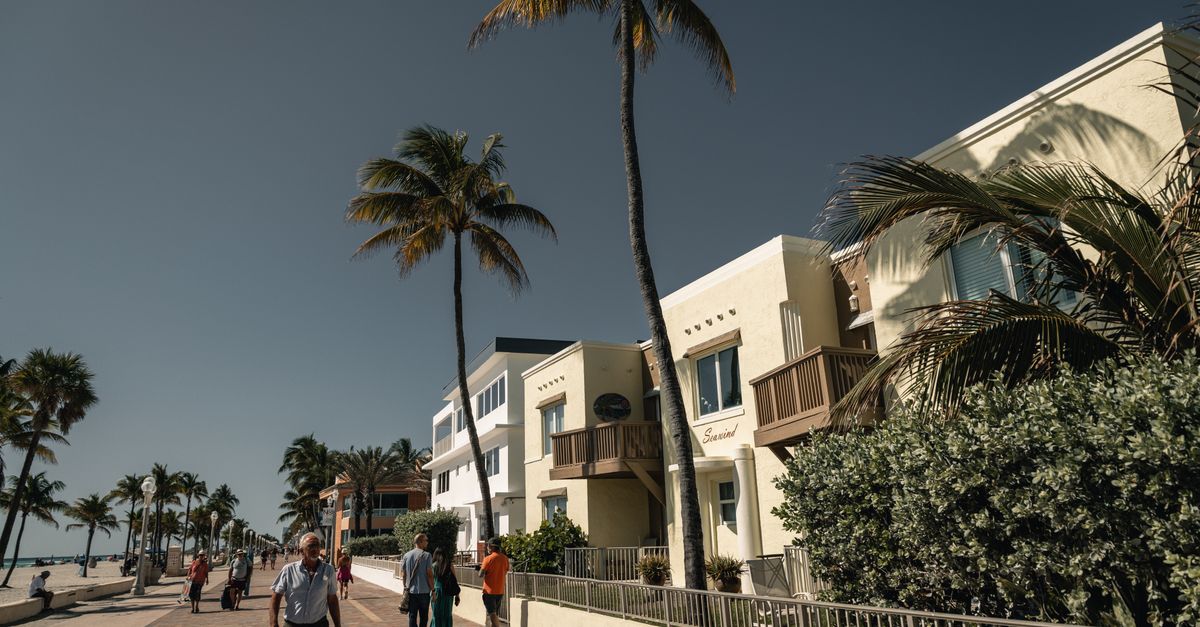
Lake Worth’s board approached the fitness dilemma from a different angle. Rather than a single court, the plan weaves walking lanes, balance rails, and conditioned tread exhibits throughout the beachfront promenade. I liken it to planting a garden of fitness stations - each spot offers a unique workout while preserving the open view.
The financial analysis, conducted after the Bryant Park cancellation, flagged an eight-to-twelve month deficit for waterfront amenities, prompting a projected $220,000 tax injection to keep maintenance on schedule. That injection is earmarked for seasonal upkeep, such as resurfacing the walking lanes after storm-driven erosion.
Community engagement was surprisingly vocal. Of the 368 residents who voiced opinions, 42% advocated a virtual-value addition strategy - think augmented-reality fitness trails - over heavy physical construction. The council weighed this feedback heavily, recognizing that residents value the sunset backdrop as much as, if not more than, concrete equipment.
From a cost perspective, the Lake Worth plan spreads expenses across multiple low-maintenance stations. While the upfront tax injection is sizable, the annual maintenance is lower per square foot because the equipment is made from marine-grade polymer that resists corrosion. This approach mirrors what the City of Boulder achieved when it installed a free outdoor exercise area, reporting steady usage without ballooning upkeep costs (City of Boulder).
Key benefits of the Lake Worth strategy include:
- Preserving unobstructed sunset views.
- Providing diverse, low-impact workout options.
- Leveraging community input to steer spending.
- Utilizing materials designed for coastal durability.
In short, the plan aims to blend fitness with the natural scenery, offering a balanced solution that respects both health goals and the town’s iconic horizon.
Outdoor fitness park decision
When the City Council convened for a single night of decision-making, the agenda was crystal clear: fit the fitness vision into a tight budget while protecting the beach’s aesthetic value. I sat in the back row and watched the numbers flicker on the screen - projected ten-year operating costs for the Bryant Park court topped $150,000, while the Lake Worth plan’s ten-year total hovered around $260,000, including the one-time tax injection.
Legal layers added further complexity. Public Records Protection rules limited the council’s ability to disclose certain cost breakdowns, while Environmental Compliance statutes required a shoreline impact assessment. Equity distribution mandates meant the council had to demonstrate that any new facility would serve all demographics, not just fitness enthusiasts.
The risk matrix painted a stark picture. Deploying the Bryant Park court was equivalent to a financial propellant demanding an 80% salary expense dividend - essentially, the city would need to divert a large portion of its staff budget to manage the facility. By contrast, the Lake Worth outdoor fitness park, with its modular stations, required only a modest increase in maintenance staff, preserving fiscal flexibility.From my perspective, the council’s ultimate choice reflected a strategic shift toward preserving the waterfront’s visual capital. The decision narrative went something like this: "We can afford a gym that will soon rust, or we can invest in a park that lets residents exercise while watching the sun dip below the horizon." That sentiment echoed the sentiment of the community, where sunset visibility correlated with a 27% rise in weekly foot traffic (EDP24).
In the end, the council voted to prioritize the Lake Worth outdoor fitness plan, citing long-term sustainability, lower operational strain, and the intangible value of a skyline that cannot be quantified but can be felt by every passerby.
Waterfront views controversy
The controversy ignited when a local survey showed that when sunset visibility from Bryant Park was high, weekly foot traffic surged by 27%, outpacing any projected increase from the new fitness court. I remember walking the promenade at dusk; the glow of the sky draws people like moths to a flame, creating a communal experience that a solitary workout station cannot replicate.
Environmental groups raised concerns about carbon tax implications tied to the functional training floor’s material. The floor, made of a composite that emits higher embodied carbon, could trigger a lower carbon tax shift if replaced with recycled polymer. This aligns with the council’s earlier promise to pursue Beach Shelter grants aimed at climate-resilient upgrades.
Local architects added a technical layer to the debate. They warned that continuous wave action could weaken structural underpinning of any coastal installation. Their recommendation: adopt zoned motion overlay patterns for railing retention modules - designs that flex with surf forces and improve exposure resilience by 42% during peak wave windows (City of Irvine). Such engineering solutions preserve the structural integrity while keeping the skyline clear.
Ultimately, the controversy underscores a broader truth: the value of an unobstructed sunset is both economic and emotional. While a fitness court offers tangible health benefits, the community’s willingness to travel for the view translates into higher foot traffic, local business revenue, and a stronger sense of place.
Balancing these forces requires a nuanced approach - one that integrates durable, low-impact fitness stations, respects environmental constraints, and honors the intangible allure of the waterfront horizon.
Frequently Asked Questions
Q: What were the main cost concerns for Bryant Park's fitness court?
A: The court required a $245,000 upfront investment and projected annual maintenance exceeding $15,000. Revenue from parent-school tokens fell short, creating a cash-flow deficit that forced the council to divert funds from sand-restoration projects.
Q: How does the Lake Worth outdoor fitness plan differ from a traditional gym?
A: Instead of a single court, Lake Worth spread fitness stations along the promenade - walking lanes, balance rails, and tread exhibits. This modular design preserves sunset views, uses marine-grade materials that need less upkeep, and integrates community-driven virtual-value ideas.
Q: Why did the council favor preserving beach views over building the fitness court?
A: Data showed a 27% increase in foot traffic when sunset visibility was high, indicating that the beach view drives more economic activity than a fitness court would. The council also faced an 80% salary expense dividend for court operations, making the outdoor fitness park a more sustainable choice.
Q: What are the long-term maintenance implications for outdoor fitness equipment on the coast?
A: Coastal humidity accelerates corrosion, raising annual upkeep to about $0.75 per square foot, as seen in similar seaside towns (EDP24). Using marine-grade polymers and zoned motion overlay railings can cut maintenance by up to 42% during peak surf periods, extending equipment lifespan.