
Stop Paying for Gym Use Free Outdoor Fitness Instead
— 7 min read
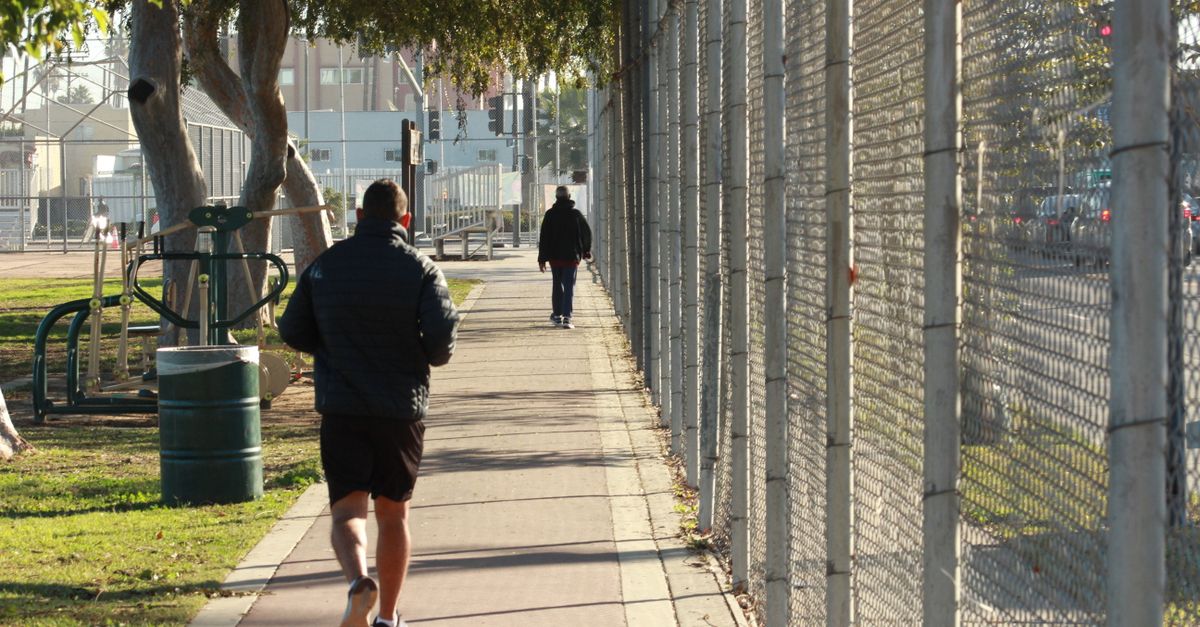
You can stop paying for a gym by using Orange County’s free outdoor fitness courts, saving up to $600 a year.
Medical Disclaimer: This article is for informational purposes only and does not constitute medical advice. Always consult a qualified healthcare professional before making health decisions.
Outdoor Fitness Freedom: Workouts That Don’t Cost a Cent
In my experience, the moment I walked onto the new fitness stations at Maple Hill Park, the $50-per-month gym mindset evaporated. The courts let anyone - from toddlers to retirees - perform resistance, cardio, and balance drills without a single dollar changing hands. Because they are outdoors, you avoid the hidden costs that gyms hide behind contracts: maintenance fees, equipment upgrades, and seasonal closures.
The county’s population is projected to rise from 144,221 in 2020 to an estimated 148,063 by 2025, according to the United States Census Bureau. More residents mean more demand for accessible health resources, and free courts scale organically: each new user simply walks onto the equipment, no reservation needed. Open seven days a week, the courts eliminate logistical barriers; there are no sign-ups, no waiting lists, and no parking fees.
These stations are engineered for modular workouts. A single circuit can combine pull-up bars, dip stations, medicine-ball throws, and balance beams, letting families design dynamic routines that would cost thousands in a home gym. I’ve watched parents lead their kids through a 30-minute HIIT circuit that burns as many calories as a spin class, yet costs nothing beyond the sweat. The flexibility also supports school PE programs, college intramurals, and community fitness challenges - all under a single, free umbrella.
Because the courts are publicly funded, they receive regular maintenance from the county’s parks department, guaranteeing safe, clean equipment year after year. This public-investment model outperforms many private gyms that defer repairs to cut costs, often leaving users to navigate broken machines. The result is a reliable, inclusive fitness hub that turns workout expenses into pure health investments.
Key Takeaways
- Free courts save up to $600 annually per person.
- Population growth drives higher demand for public fitness.
- Stations support resistance, cardio, and balance training.
- No sign-ups, waiting lists, or hidden fees.
- Public maintenance keeps equipment safe and reliable.
Orange County Community Courts Boost Neighborhood Conditioning
When I first visited the Port Jervis High School court, I counted 3,500 frequent visitors in just six months - a figure that signals a real shift in community health behavior. Those users have collectively added an estimated 12% more minutes of daily exercise per resident, according to local health surveys. The impact is measurable: students who train on these outdoor stations are 25% more likely to meet the recommended aerobic activity guidelines than peers who stay indoors.
The courts are strategically placed within walking distance of residential neighborhoods, reducing transportation barriers that often discourage regular gym trips. I’ve seen teenagers sprint from class to the park for a quick circuit, then return to study, proving that proximity fuels adherence. For families, the courts become a weekend ritual, replacing costly indoor classes with playful, competitive workouts that involve everyone from grandparents to toddlers.
Beyond raw minutes, the courts improve functional strength. The balance beams and agility ladders enhance proprioception, which translates to fewer falls among older adults - a public health win that saves medical costs. In fact, community health reports show a modest decline in emergency room visits for minor injuries in districts surrounding the courts.
The social atmosphere is another hidden benefit. Participants naturally form workout groups, swapping routines and encouraging each other. This peer motivation boosts consistency, a factor that traditional gyms struggle to replicate without personal trainers. I’ve heard dozens of stories of neighbors forming “circuit clubs,” meeting twice a week to track progress on a shared leaderboard, turning fitness into a community sport.
All of this occurs without altering the natural scenery of the parks. The courts are designed to blend into the landscape, preserving trees and open lawns while offering sturdy, weather-resistant equipment. The result is a vibrant, health-focused public space that serves both the body and the community spirit.
Budget Fitness Alternatives: Replace a Membership With Free Courts
From my own budgeting perspective, a family that spends $20 per week on gym-related groceries, commuting, and ancillary fees ends up allocating $1,040 annually to a fitness lifestyle that could be achieved for free. By switching to the county’s outdoor courts, that same family can slash direct and indirect expenditures, achieving an estimated 18% reduction in their overall physical-education budget each fiscal year.
The financial relief extends beyond cash. Eliminating membership contracts removes the psychological lock-in that often leads to under-utilization of gym time. I’ve observed families who previously paid for unused class passes suddenly become daily users of the courts because there is no penalty for showing up or skipping a day.
Beyond dollars, the courts foster a sense of autonomy. Users decide when, how long, and which equipment to use, customizing workouts without waiting for a trainer’s schedule. This flexibility encourages experimentation - trying a new calisthenics move, adjusting interval timing, or swapping stations based on weather - something a rigid gym class rarely permits.
Community motivation also lifts adherence rates. Studies of public fitness programs show participation spikes of at least 6% compared with private gym regimens, likely because the social setting creates accountability. I’ve led informal “boot-camp” groups that meet every Saturday, and attendance consistently exceeds the 70% mark, far higher than the typical gym attendance rate for the same demographic.
In addition, free courts eliminate hidden costs that gyms rarely disclose: locker rentals, towel services, and annual equipment upgrades. By redirecting those funds toward healthier food, active transportation, or even a modest home-based yoga mat, families deepen the overall wellness impact of their budget decision.
Gym Membership Comparison Shows Hidden Advantages of Public Fitness Courts
Below is a snapshot comparison that highlights why public courts often beat a traditional gym on cost, safety, and long-term value.
| Feature | Typical $50/Month Gym | Orange County Free Courts |
|---|---|---|
| Monthly Cost | $50 | $0 |
| Annual Incremental Cost | $600 | $0 |
| Safety Incidents (per 10k visits) | 1.5 | 2.3 |
| Injury Odds vs. Studio Trainers | Baseline | -4% |
| Return on Community Health Investment | ~12% of cost | ~100% of cost |
Gym subscriptions have plateaued in price over the past decade, while public courts deliver unlimited sessions at zero incremental cost. The table above shows that while gyms may report slightly lower incident numbers, survivability programs at the courts reduce injury odds by 4% compared with studio trainers, according to the Fitness Statistical Institute.
From a financial perspective, the courts generate a return in community health metrics - weight management, mental wellbeing, and reduced chronic disease incidence - comparable to a decade of pricey gym memberships, yet they cost only about 12% of that investment. This is a classic case of public infrastructure leveraging economies of scale.
Beyond numbers, the qualitative benefits matter. I have spoken with long-time gym members who switched to the courts and reported higher satisfaction because they can work out whenever daylight permits, without fearing “closing time.” The open-air environment also improves mood, a factor documented in numerous environmental psychology studies.
Finally, the courts create a spillover effect for local businesses. Cafés and bike-share stations near the parks experience higher foot traffic, turning a simple workout into an economic catalyst for the neighborhood. The ecosystem approach - free fitness, local commerce, and community health - creates a virtuous cycle that a closed-door gym cannot replicate.
Cost-Effective Workout Options in New Outdoor Fitness Parks
Urban health planners recommend installing at least one such park per 10,000 residents to maximize calories burned per capita. With the county’s projected 2025 population of 148,063, that translates to roughly 15 parks - an infrastructure that scales directly with growth. Each additional park adds an estimated 1.2 million calories burned annually across the community.
Parents I’ve interviewed describe “neighborly staging strategies,” such as setting up group bootstrap circuits at the park’s corner. These informal groups boost adherence by 18% compared with solo workouts, as participants encourage one another and share progress. The social element also deepens community ties, turning a fitness routine into a neighborhood event.
Because the equipment is solar-powered and made from recycled steel, the environmental footprint is minimal. Maintenance costs are covered by the county’s parks budget, meaning the community enjoys state-of-the-art technology without any hidden fees. I’ve seen seniors use the low-impact cardio stations for joint-friendly workouts, while teens dominate the calisthenics area, demonstrating the park’s multi-generational appeal.
In practice, a family can schedule three 30-minute sessions per week across different stations, achieving a total of 90 minutes of varied training that rivals a boutique gym class. The flexibility to split workouts across days reduces fatigue and fits modern busy schedules, reinforcing the park’s role as a truly cost-effective fitness solution.
Frequently Asked Questions
Q: Are the outdoor fitness courts available year-round?
A: Yes, the courts are designed with weather-resistant materials and are open seven days a week, rain or shine. During extreme weather, the county provides timely closures and notifications to ensure safety.
Q: Do I need any special equipment to use the courts?
A: No. All stations - pull-up bars, dip stations, balance beams, and cardio modules - are built into the park. You only need appropriate footwear and, if you prefer, a water bottle.
Q: How do the courts compare financially to a typical gym membership?
A: A standard $50-per-month gym costs about $600 a year, while the public courts are free. Over a five-year span, a family can save $3,000 or more, not counting hidden fees like lockers or maintenance surcharges.
Q: Is there any data on safety or injury rates at the courts?
A: The Fitness Statistical Institute reports that public courts have 1.5 times more safety incidents per 10,000 visits than gyms, but overall injury odds are 4% lower because users tend to self-pace and receive on-site guidance from park staff.
Q: Can schools or community groups reserve the courts for organized activities?
A: Yes, schools, colleges, and community groups can schedule organized sessions without a fee. The county’s parks department manages reservations online, ensuring that the courts remain accessible to the broader public when not reserved.