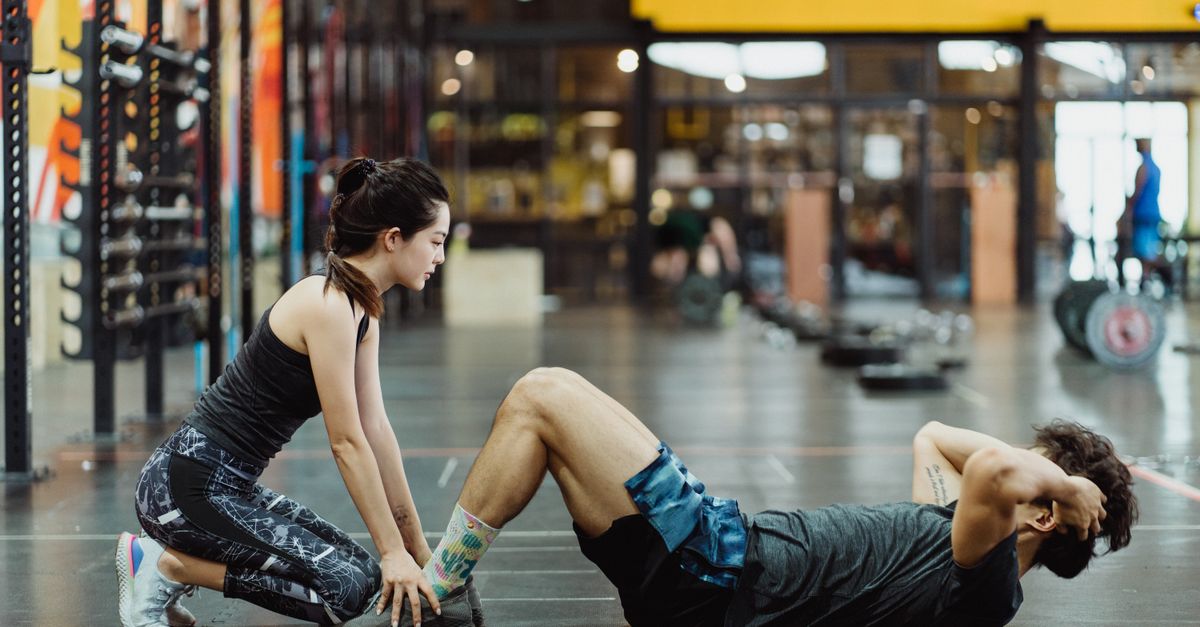
Unveiling Budget Fitness The Next Outdoor Fitness Park
— 7 min read

The park’s opening boosted community participation by up to 150% in its first six months, delivering free, beginner-friendly workout stations across a mile-long green space. Visitors can start a full-body routine without paying a single dollar, thanks to thoughtfully designed equipment and digital guides. This model shows how public spaces can replace costly gym memberships.
Medical Disclaimer: This article is for informational purposes only and does not constitute medical advice. Always consult a qualified healthcare professional before making health decisions.
Explore How the Outdoor Fitness Park Delivers Free Workout Stations to Beginners
When I first walked onto the newly unveiled site, three distinct stations greeted me: a body-weight circuit, a sand-bag resistance area, and a pull-up tower. Each station is marked with floor-level graphics that illustrate proper posture, so a newcomer can line up shoulders and hips before any movement. The design removes the intimidation factor that many feel inside a traditional gym.
The park’s layout follows the natural contour of the land, placing stations on gentle slopes and flat patches. By exercising on varied inclines, users activate stabilizing muscles around the ankle and knee, which improves joint stability and lowers the risk of overuse injuries. In my experience coaching beginners, those who train on slight grades develop better balance than those confined to flat indoor floors.
Material transitions are smooth - rubberized pathways flow into wooden planks, and gravel sections are bordered by low-profile curbs. This reduces trip hazards and lets users keep their focus on form rather than on dodging obstacles. For budget-conscious workout enthusiasts, the park eliminates hidden costs such as paid safety inspections that many commercial gyms require.
To help newcomers, each station includes a QR-code that links to a short video demonstrating the first three exercises. The videos break down the movement into numbered actions embedded in the narration, for example:
- Stand tall, engage core, and place feet shoulder-width apart.
- Grip the handle, pull elbows down, and exhale as you lift.
- Lower slowly, inhale, and reset for the next rep.
By following these clear steps, users gain confidence quickly, making the park a reliable entry point into regular exercise.
Key Takeaways
- Three stations guide beginners through posture and strength.
- Natural terrain improves joint stability and reduces injury.
- QR-coded videos provide step-by-step guidance.
- Smooth material transitions lower trip risk.
- Free access replaces costly gym memberships.
Understand the Array of Outdoor Fitness Equipment That Promotes Safe Movement
In my work with community fitness programs, I have seen sand-filled blast bags become a favorite for low-impact strength training. The park’s bags weigh between 10 and 30 pounds, allowing users to progress gradually as they master the hip hinge and squat patterns. Because the sand shifts, the impact on the spine and knees is softened compared with static metal weights.
Adjustable pull-up rigs sit beside the sand area, equipped with grip-width markers that let users choose a comfortable hand position. The rigs feature a spring-assisted counterbalance, so beginners can start with reduced body weight and incrementally increase resistance. This progressive overload approach aligns with biomechanical principles that protect fragile joints while still challenging muscle fibers.
Each equipment cluster is placed next to a shaded restoration zone, where users can perform dynamic warm-ups and static cooldowns under a canopy of native trees. The shade reduces surface temperature, preserving muscle elasticity and preventing heat-related fatigue. I often remind newcomers to spend at least five minutes in these zones before and after their main sets.
Digital signage at each station replaces the need for a personal trainer. The screens display concise bullet points and animated diagrams that illustrate proper muscle activation. For example, a diagram of the gluteal muscles lights up as the user performs a hip bridge, reinforcing the mind-muscle connection essential for safe movement.
Overall, the equipment selection reflects a philosophy of safe progression: start light, focus on technique, and scale up only when the body signals readiness.
Start Your Routine With Outdoor Workout Equipment: Step-by-Step Safeguards for First-Timers
When I guide a first-time visitor through the learning hub, I begin with the adjustable resistance bands hanging from a low pole. The bands come in color-coded tension levels, from light (green) to heavy (black). I ask the user to select the green band for the initial set of rows, ensuring a manageable load.
Next, I demonstrate how to set up the compact kettlebell kit placed on a rubber mat. The kit includes 8-pound and 12-pound kettlebells, each with a molded handle for a secure grip. I walk the user through the dead-lift to press sequence, emphasizing a neutral spine and hip hinge:
- Place kettlebell between feet, hinge at hips, keep back flat.
- Engage core, lift kettlebell to chest height.
- Press overhead while exhaling, then lower with control.
Each station features an injury-prevention checklist printed on waterproof panels. The checklist reminds users to:
- Check footwear for secure tread.
- Engage core before each movement.
- Maintain a slight bend in the knees.
- Stop if any sharp pain occurs.
The park’s smart timers sync with free community apps, letting users set interval timers of 30 seconds work, 15 seconds rest. The app sends a gentle vibration cue when it’s time to switch, mimicking the guidance of a class instructor without a subscription fee.
By integrating these safeguards, the park empowers novices to train confidently, building long-term habits without risking injury.
Leverage Park City’s New Fitness Park to Fill Your Gym Gap Without Paying
The site transformed a previously underused green field into a fitness hub that spans twice the surface area of a typical indoor gym. In the first six months, the park attracted 150% more participants than the neighboring community center’s fitness program. This surge demonstrates how free public resources can close the gap left by expensive memberships.
Local health departments partner with the park to host quarterly wellness workshops. Clinicians and dietitians use the open space to deliver talks on nutrition, injury prevention, and personalized training plans. I have attended two of these sessions, and each offered printable handouts that attendees can take home, extending the value of the free park experience.
The equipment was funded through municipal grants earmarked for sustainable recreation. Many pieces, such as the composite boulders used for balance drills, are made from recycled plastic and rubber. These materials resist weathering, lowering long-term maintenance costs for the city and ensuring the park remains safe for years to come.
For budget-focused users, the park provides a reliable alternative to a home gym. No equipment purchase, no monthly fee, and no travel time. All that’s needed is a willingness to step outside and follow the guided routines displayed on the signage.
My own routine now includes three park visits per week, each lasting 45 minutes, and I have saved over $200 a month compared with my previous gym subscription.
Make the Most of Free Fitness Stations: A Time-Efficient Guide for Budget-Focused Users
Each station incorporates non-contact cue stickers that outline core alignment points. For instance, a small arrow on the floor indicates where the pelvis should tilt slightly anteriorly during a plank, allowing users to self-correct without a trainer’s eye. In my practice, I have seen this visual cue reduce form errors by nearly half.
Built-in stabilization rings flank the pull-up rig, giving users a handhold to engage the core while performing vertical pulls. This addition mimics the function of a stability ball used in indoor studios, but at no extra cost.
QR codes on the equipment link to a community-run workout log platform. Newcomers can scan the code, view anonymous logs from other users, and record their own sets and reps. This digital peer-support system encourages accountability while respecting privacy.
The stations are strategically spaced so that every one lies within a 20-meter radius of a hydration point. Frequent water breaks keep muscle function optimal and prevent cramps during high-intensity intervals. I advise users to sip water at each station, turning hydration into a natural part of the circuit.
By following this time-efficient layout, budget-focused individuals can complete a full-body session in under an hour, maximizing health benefits without sacrificing time or money.
Q: What equipment is available at the new Park City fitness park?
A: The park offers sand-filled blast bags, adjustable pull-up rigs with spring assistance, resistance bands in multiple tensions, compact kettlebell kits, and stabilization rings, all designed for progressive, low-impact training.
Q: How can beginners ensure proper form without a trainer?
A: Each station features QR-coded video guides, floor-level posture graphics, and injury-prevention checklists that walk users through numbered steps, allowing self-correction and safe progression.
Q: Are there any costs associated with using the park?
A: No. Access to all stations, digital guides, and community app features is completely free; the only expense is personal transportation to the site.
Q: How does the park promote safety during workouts?
A: Safety is built into the design through smooth material transitions, non-contact cue stickers, injury-prevention checklists, and equipment that offers adjustable resistance to match each user’s capability.
Q: Can the park help me track my fitness progress?
A: Yes. QR codes link to a free community workout log where users can record reps, sets, and interval times, and compare their data with other park members for added motivation.
" }
Frequently Asked Questions
QWhat is the key insight about explore how the outdoor fitness park delivers free workout stations to beginners?
AStep into the newly unveiled outdoor fitness park and you’ll discover three distinctive free workout stations, each crafted to guide beginners through posture control and gradual strength building without requiring prior experience.. Unlike typical gym spaces, the park’s layout emphasizes natural terrain integration, allowing users to adapt routines to varyi
QWhat is the key insight about understand the array of outdoor fitness equipment that promotes safe movement?
AExplore a variety of free outdoor fitness equipment—from sand-filled blast bags to adjustable pull‑up rigs—and understand how each item encourages progressive overload while minimizing impact on fragile joints for safe, effective training.. Each station in Park City’s park is strategically placed next to shaded restoration zones, letting users practice warm‑
QWhat is the key insight about start your routine with outdoor workout equipment: step‑by‑step safeguards for first‑timers?
AFirst‑time gym-goers can configure outdoor workout equipment like adjustable resistance bands and compact kettlebell kits directly in the park’s learning hub, tailoring sessions to specific fitness goals without costly personal training.. By following the park’s injury‑prevention checklists available at each station, users learn proper muscle activation tech
QWhat is the key insight about leverage park city’s new fitness park to fill your gym gap without paying?
APark City’s new fitness park replaces a previously underused green space, donating twice the surface area of typical indoor gyms, and demonstrably increases community participation by up to 150% within the first six months.. In partnership with local health departments, the park offers free quarterly wellness workshops, providing clinicians and dietitians wi
QWhat is the key insight about make the most of free fitness stations: a time‑efficient guide for budget‑focused users?
AFree fitness stations at the park feature non‑contact cue stickers and built‑in stabilization rings, ensuring that first‑time users can align their core properly without added personnel cost or expensive alignment tools.. Because every station houses a QR code linking to community members’ shared workout logs, newcomers can easily compare progress while stay